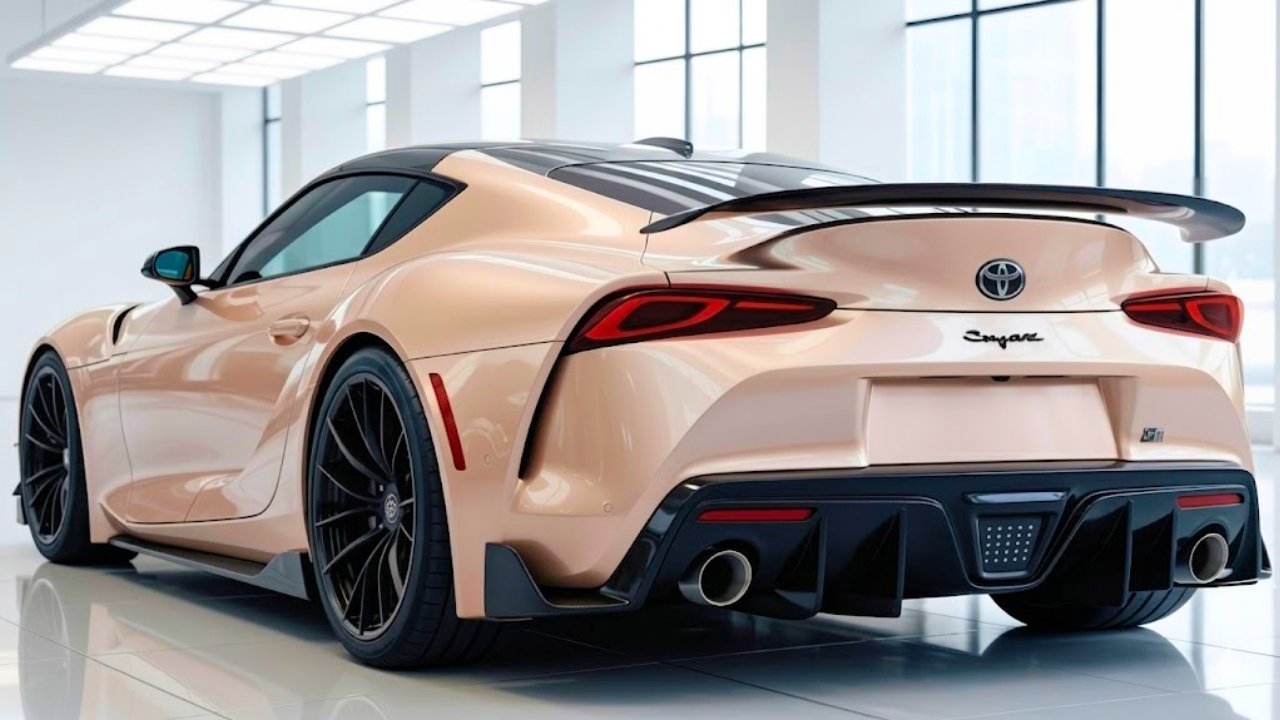
2026 Toyota Celica Supra: The 2026 Toyota Celica Supra is expected to mark a fresh direction for Toyota’s performance lineup, blending heritage cues with modern engineering. It aims to position itself as a driver-focused coupe with everyday usability.
With evolving emission norms and electrification trends, the 2026 Toyota Celica Supra is likely to integrate advanced hybrid technology while retaining a strong emphasis on performance and precision handling.
Exterior Styling and Road Presence
The design language leans toward a low-slung, aerodynamic profile with sharp body lines and a wide stance. A sculpted hood, aggressive front fascia, and slim LED lighting elements contribute to a purposeful appearance.
At the rear, a clean yet sporty layout is expected, featuring a subtle diffuser and integrated spoiler. The overall silhouette reflects a balance between classic Celica inspiration and modern Supra aggression.
Powertrain Configuration and Driving Dynamics
The model is likely to adopt a turbocharged petrol engine paired with an electrified system, enhancing both output and efficiency. Power delivery is expected to remain linear, catering to both spirited and controlled driving.
A rear-wheel-drive setup is anticipated, supported by a refined suspension system and improved chassis rigidity. This combination should deliver sharp cornering capability and stable high-speed behavior.
Specifications Overview
| Specification | Details |
|---|---|
| Engine Type | Turbocharged Petrol Hybrid |
| Transmission | 6-Speed Manual / Automatic |
| Drivetrain | Rear-Wheel Drive |
| Estimated Power Output | 300–400 HP |
| 0–100 km/h | Under 5 seconds (expected) |
| Fuel Efficiency | 15–20 km/l (estimated) |
| Body Type | 2-Door Sports Coupe |
Cabin Layout and Material Quality
The interior is expected to focus on a driver-centric layout, with a low seating position and ergonomically aligned controls. Premium materials such as soft-touch surfaces and contrast stitching may be used throughout the cabin.

A minimalist dashboard design with a digital instrument cluster is likely, ensuring that essential driving data remains clearly visible. The layout prioritizes function without compromising on visual appeal.
Infotainment and Digital Integration
The infotainment system is expected to feature a large touchscreen interface with seamless smartphone connectivity. Wireless Android Auto and Apple CarPlay support are likely to be standard.
Additional features may include voice command functionality and over-the-air updates. The system is designed to provide intuitive access without distracting from the driving experience.

Safety Systems and Driver Assistance
A comprehensive suite of driver assistance technologies is anticipated, including adaptive cruise control and lane-keeping support. These systems aim to enhance safety during both city and highway driving.
Structural improvements and multiple airbags are expected to form the core of occupant protection. Advanced braking and stability control systems will further support driver confidence.
Ride Comfort and Everyday Usability
Despite its performance orientation, the suspension setup is expected to maintain a reasonable level of ride comfort. Urban usability is likely to remain practical for daily commuting.

Cabin insulation and seating design should contribute to reduced fatigue on longer drives. The balance between sportiness and comfort appears to be a key focus area.
Fuel Efficiency and Hybrid Capability
The integration of hybrid assistance is expected to improve fuel efficiency without compromising performance. Energy recovery systems may support better mileage in mixed driving conditions.
This approach aligns with evolving regulations while offering a more efficient alternative to traditional performance coupes. Exact figures are not officially confirmed.
Practicality and Storage Considerations
As a two-door coupe, practicality will be limited compared to larger vehicles. However, the model is expected to offer usable boot space for short trips and daily needs.
Interior storage solutions such as cup holders and small compartments are likely to be thoughtfully integrated. The focus remains on functionality within a compact layout.
Market Positioning and Expected Pricing
The model is expected to sit in the premium sports coupe segment, positioned above standard performance hatchbacks. Pricing could reflect its hybrid technology and performance capabilities.
While official figures are not confirmed, it may compete in a range accessible to enthusiasts seeking a blend of performance and modern features.
Competitive Landscape and Segment Rivals
The 2026 Toyota Celica Supra is likely to compete with models such as the Nissan Z and entry-level variants of the BMW Z4. Each rival offers a distinct mix of performance and brand identity.
Its hybrid approach and design direction could provide a unique positioning within the segment. The final impact will depend on pricing, driving dynamics, and real-world usability.